
Chancellor promises ‘breathing space’ as he prepares to deliver budget

Today’s Autumn Budget is short on spending money but abolition of gas standing charges, a Minimum Wage increase and a possible tax on banks are among measures expected
Energy bills, minimum wage increases and a possible bank tax are among the measures expected as the Chancellor prepares to deliver an Autumn Budget he says will bring ‘breathing space’.
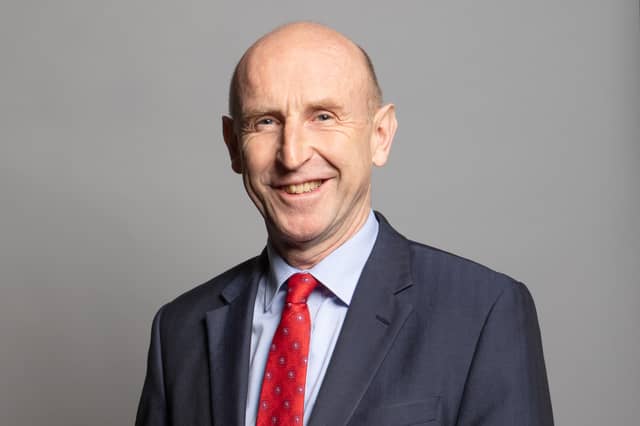
Chancellor John Healey will leave 11 Downing Street this morning (Wednesday, October 28) with the famous red briefcase and head to parliament to unveil his budget before the House of Commons at around 12.30pm.
Earlier, it was announced standing charges will be removed from gas bills, benefiting some 23 million homes and saving them around £108 a year.
However, energy bills are set to see their biggest increase in four years in January, with a typical annual bill forecast to jump by £276.
The government has already announced it will remove tariffs from 100 food items, which it calculates could save households up to £21 per year - or 40p a week.
According to The Times, the National Minimum Wage for 18 to 20-year-olds is likely to rise by 3.9 per cent from £10.85 an hour to around £11.27.
The rate remains below the National Living Wage for older workers, which is currently £12.71 an hour and that is set to rise by 3.9 per cent to £13.20, the Times report said.
A tax on banks, including a potential increase on a profits surcharge, could be on the cards to pay for measures in the budget, according to a BBC report.
Unlike previous budgets in recent years, the government has remained tight-lipped on what might be revealed today.
However the Chancellor has a very low amount of money to play with – fiscal headroom (the amount he can ‘spend’) is currently forecast at £10-11billion, a historically very low figure and leaving little wiggle room.
In an upbeat video message released last night, John Healey said the budget would bring “breathing space for today and fresh hope for the future.”
He said: “The world’s a highly uncertain place. Conflicts abroad are pushing up energy prices and the cost of living here at home - piling pressure on the families, on businesses, and on our public finances.
“But Britain's economy is showing real signs of resilience: investments up, productivity is growing, and we had the joint fastest growth in the G7 in the first half of this year.
“We can't stop these shocks that hit Britain, but we can make Britain more resilient when they do.
“So, this Budget is designed to give households breathing space from some of the everyday costs, provide targeted support for businesses and self-employed people and to start the long-term action needed to get energy costs down for good.”
The Chancellor also pledged to “back British businesses and entrepreneurs” and invest in technologies, which includes a reported £600million investment in AI, to boost its development but also to create a £100m ‘AI Biosecurity Lab’ to help keep the UK safe against biological threats.