
South West Water is prepared for extreme weather
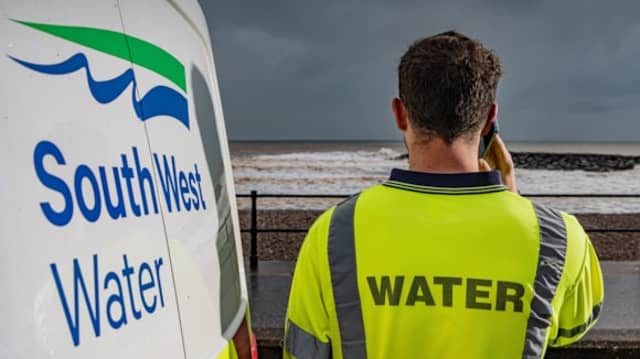

A new protocol has increased the water company's workload
In response to extreme weather conditions becoming more common, South West Water has increased its workload in an effort to protect essential services across the region.
After 2024 saw the wettest February on record, weather experts have claimed that climate change is causing more intense and frequent instances of heavy rainfall.
Extreme rainfall puts added strain on the wastewater network, increasing the risk of bursts and other issues as sewers in the local area become filled with rainwater.
To prepare for these periods of bad weather, South West Water has designed a severe weather protocol to protect the network and reduce the risk of disruption.
This system features weather forecast triggers that initiate a coordinated response from the company’s teams.
When a particular forecast trigger is tripped, the teams begin their preparations to ensure the effectiveness of drinking water and wastewater systems.
George Wilson, South West Water’s Central Incident Response Manager, said: “Our protocol gives us the best opportunity to prepare for adverse weather.
“Once a trigger is activated, our teams work tirelessly to ensure our assets are prepared to withstand the impacts of severe weather.
“We also implement extra measures depending on the severity and type of weather to further support our operations and to reduce the impact on our assets, customers, and the environment.”
These individual preparations are tailored to specific weather events.
For example, if forecasts predict thunderstorms and high winds, South West Water moves key sites to generator power as a defensive measure against power cuts.
The company also enlists the help of third-party agents, such as tree surgeons, to ensure the safety of these sites.
In the case of heavy rainfall, especially following a dry period, South West Water shifts its focus towards optimising its wastewater systems.
This involves ensuring that storm overflow tanks are empty, additional cleaning and network maintenance, and checking that all systems are operating at peak performance to manage the additional demand.