
Smartwatches that spot who isn’t recycling food waste hit a snag in Exeter

Exeter’s pilot scheme, which uses smartwatches to monitor food waste recycling, has been delayed due to a technical issue with the GPS hardware in the devices, with the council aiming to start the project in February 2027.
A scheme that uses smartwatches to spot households not recycling their food waste has been delayed in Exeter after a problem with the devices’ GPS.
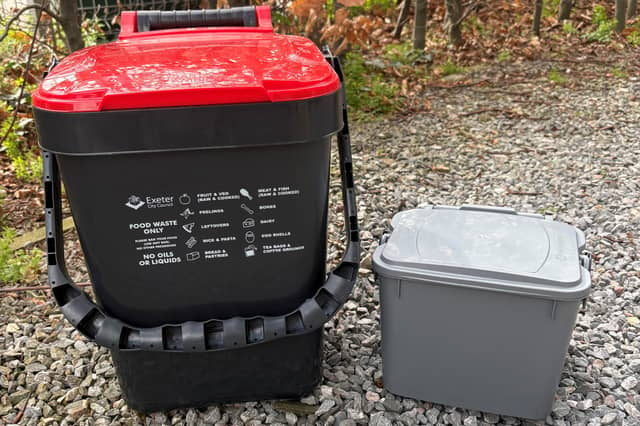
Under the Devon-wide project, bin crews wear a smartwatch and log a property if its food waste caddy is not put out on collection day. Those households then receive reminders and encouragement, such as bin hangers and stickers. Exeter’s pilot of the scheme is now aiming to start in February 2027.
Minutes of the Devon Authorities Strategic Waste Committee on October 21 said Exeter’s pilot had been deferred pending the resolution of technical issues. Teignbridge District Council, which administers the committee’s budget and manages its programme of work, has now told Exeter Today what the problem was.
A spokesperson said a small amount of GPS lag had been identified when crews were working at a fast pace through densely populated streets. They said it was caused by a limitation of the GPS hardware in the watch, not the smartwatch application or the mobile network.
“The watch’s standard settings suit the collection models used by our other trial authorities, but they need tuning for the most densely populated, high-pace rounds like Exeter’s,” the spokesperson said.
They said options around the way the device samples its GPS location were being explored, and that the team would spend time out with an Exeter crew to observe the pace and street layout first-hand.
The spokesperson described the issue as “well understood” and said it was a useful finding from the pilot, “exactly what the proof of concept is designed to surface”. They added that the council was confident the Exeter pilot would be “up and running shortly”, alongside what they called “incredibly successful” pilots at four other Devon councils.
How it works
In a pilot area, crews monitor food waste presentation over three consecutive weekly collections. They log an exception against a property if a food waste container is not put out on collection day, which helps identify households not using the service.
Those households then receive targeted encouragement, such as bin hangers and reminder stickers, with follow-up monitoring to measure whether it has made a difference.
The project, known as the Participation Improvement Project (PIP), also draws on research into the barriers that stop residents from using the weekly service.
Cost and benefits
The estimated cost of Exeter’s involvement is £6,600, funded by the Devon Authorities Strategic Waste Committee. The delay will have no financial implications, the spokesperson said.
The aim is to get more residents recycling food waste, which cuts waste management costs and environmental impact by keeping it out of general rubbish. Food waste collected across Devon is treated through anaerobic digestion, which generates renewable energy and produces a nutrient-rich soil improver for agriculture.
The committee minutes described early results from the first district pilots as positive.