
Family’s experience of epilepsy care drives new research partnership
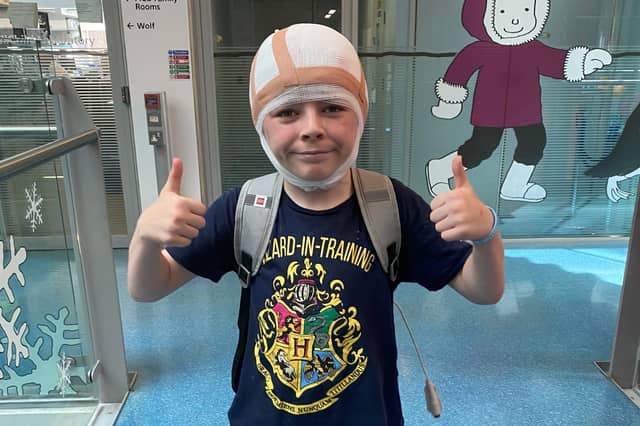

The Leo's Angels memorial fund has partnered with local organisations to conduct new research into the impact of 'fragmented' epilepsy care, with an aim of improving outcomes for patients and their families.
A memorial fund dedicated to improving outcomes for patients with epilepsy has partnered with local organisations to conduct new research into the impact of “fragmented” care.
The Leo’s Angels memorial fund was established in 2025 by Leo O’Brien’s mother, Emma, after Leo died aged just 11 from ‘sudden unexpected death in epilepsy’ (SUDEP).
The non-profit organisation has since been working to raise £750,000 towards epilepsy research projects after the O’Brien family experienced “gaps” in the healthcare system.
Sharing their story online, Ms O’Brien said the family had not been warned about the possibility of SUDEP, and that after his death they were left with several questions.
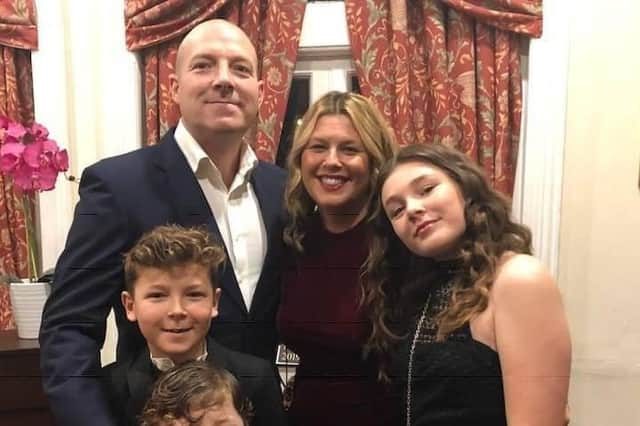
“I know how exhausting it can be to carry pieces of your child's story between different services, hoping that everyone has the information they need to look after them,” said Ms O’Brien.
“It doesn't just impact the family, but we also believe there are wider effects in terms of the quality of care and the child's outcomes.
Leo’s Angels has partnered with Young Epilepsy, the Epilepsy Research Institute, and the University of Exeter to measure the impact of having information relating to a child’s epilepsy diagnosis stored across separate care systems.
University researchers will host roundtable discussions between parents and carers, young people, doctors, epilepsy nurses, GPs, teachers, and NHS data specialists.
Their feedback will be used to calculate the cost to both the NHS and families each year. It will also help identify areas where connecting a patient’s data could make the biggest difference.
It is understood this is the first time research of this kind has been conducted.
“The study forms part of our wider commitment to bring lived experience, research, technology, and relevant partners together to drive meaningful change,” added Ms O’Brien.
“We are very pleased both charities and the university have agreed to partner with us for this project, and feel sure it will have a positive impact upon children, their families, and the wider NHS going forward.”
Dr Jowinn Chew, head of research at Young Epilepsy, said: “Leo’s story is a powerful reminder of why this work matters.
"This important research gives us an opportunity to understand the impact fragmented information can have on children, young people, and their families and build the evidence needed to make the case for more joined-up care.
"Our role will lie in bringing our research expertise to the project while helping to ensure the voices of young people and healthcare professionals are part of that evidence.
“Ultimately, this is about helping create a system where the right information is available to the right people, so children and young people with epilepsy can receive the best possible care.”
You can read more about Leo’s Angels and its work to “transform” the future of epilepsy care here.