
Exeter MP celebrates government U-turn to protect Dartmoor's ponies
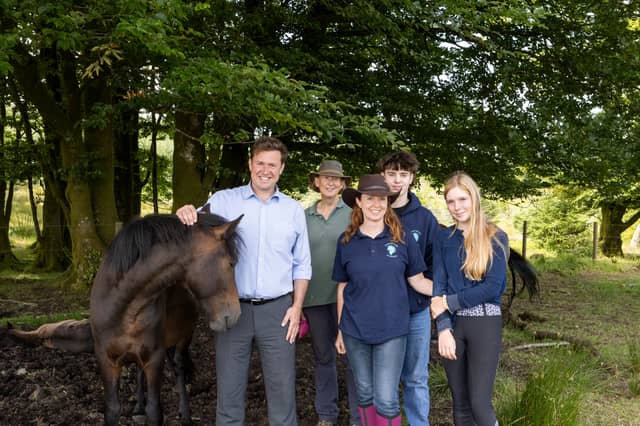

Steve Race says a new government agreement will remove Dartmoor's ponies from farming stocking calculations, after warnings the rules could have driven the rare breed off the moor entirely.
Exeter MP Steve Race has welcomed a government decision to protect Dartmoor's pony populations, after campaigners warned that new farming rules could have driven the animals off the moor entirely.
Organisations including the Dartmoor Hill Pony Association and Friends of the Dartmoor Hill Pony had raised concerns over plans to include ponies in Environmental Land Management stocking rate calculations, which determine how many livestock landowners can keep on common land. Campaigners argued that classing ponies alongside commercial livestock such as cows and sheep would force landowners to choose between the animals their livelihoods depend on and a species iconic to Dartmoor's history.
Pressure from Natural England to reduce grazing has already contributed to a decline from around 7,000 to fewer than 1,000 ponies on the moor over the past 25 years, raising fears the breed could be lost from Dartmoor altogether. Dartmoor Hill ponies are a rare native breed, and their genetics allow them to graze year-round on gorse and Molinia grass in a way commercial livestock cannot, giving them a key role in shaping the moor's landscape, biodiversity and ecology.
Race had raised the issue directly in the House of Commons, asking Environment Secretary Emma Reynolds to find a solution that worked for Dartmoor's communities while protecting pony numbers, and inviting her to visit Dartmoor with him. In response, Reynolds said there would be "no planned reduction in the number of Dartmoor ponies" under the current government, and promised further details of a solution.
Race went on to coordinate a meeting between Devon and Cornwall MPs and Natural England, the body responsible for advice on Environmental Land Management schemes, and later met Stephen Morgan MP, Minister of State for Food Security and Rural Affairs, to press the case further.
On 15 July, Reynolds confirmed the government had agreed a solution with Natural England to secure the long-term future of Dartmoor's ponies. In a letter sent to MPs, she said Dartmoor's ponies "play an important role in conserving protected environmental sites, including Sites of Special Scientific Interest (SSSIs)" and confirmed the government was "committed to ensuring their numbers do not fall below current levels."
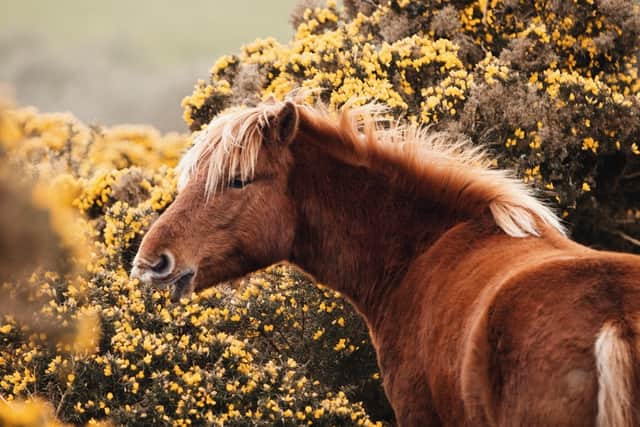
The letter set out that ponies will be "completely removed from stocking rate calculations in new Environmental Land Management (ELM) agreements," going beyond a recommendation made in the 2023 Fursdon review of protected site management on Dartmoor, which had called for ponies and cattle to be delinked in stocking rate calculations. Reynolds said the change meant "farmers do not face a choice between keeping ponies and maintaining sheep or cattle," and confirmed pony numbers would be monitored across the moor to ensure they remain at least at current levels.
Reynolds also confirmed a new pony supplement will be introduced into Sustainable Farming Incentive and Countryside Stewardship Higher Tier scheme offers, "to ensure that there is no economic incentive to reduce pony populations." She added that Dartmoor's resident ponies would remain exempt from seasonal livestock removal requirements within relevant scheme offers, and confirmed the government would review Native Breed actions within those schemes to see whether support for "at-risk" native breeds could be enhanced.
The letter also confirmed that if pony numbers were to fall, this would not free up capacity for increased sheep or cattle grazing under ELM agreements, and that a Dartmoor-wide grazing management framework covering ponies, cattle and sheep is being developed through the Dartmoor Land Use Management Group, set up following the Fursdon Review.
Steve Race said: "I'm delighted that the Government has worked with Natural England to develop a solution that will ensure the threat to the Dartmoor Pony population is gone." He added: "By moving ponies out of the livestock numbers, and providing specific access to support through a 'pony premium', the communities on Dartmoor can effectively work to increase local biodiversity, while protecting the ponies which are the icon of the national park."
He continued: "I want to thank the DEFRA Secretary for listening and developing a solution. I also want to congratulate the pony organisations and campaigners who have worked so hard to raise the issue and who care deeply about the ponies."