
University of Exeter pushes Net Zero target back to 2050
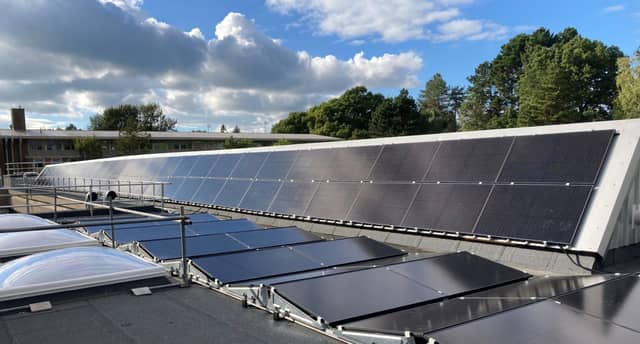

Project details and scientific rationale for the new 2050 climate target at the University of Exeter in Devon
The University of Exeter has pushed back its target for reaching net zero emissions by 20 years, following a major review by its own climate scientists.
In a relaunch of its Climate Strategy today, the University confirmed it has moved its net zero goal from 2030 to 2050.
The shift comes after a two-year internal review concluded that "carbon offsetting", the practice of paying for environmental projects elsewhere to cancel out your own pollution, lacks the credibility and permanence needed for genuine climate action.
Professor Peter Cox, Director of the Global Systems Institute and chair of the review, said the University decided to focus on "real reductions" in emissions rather than "uncertain offsets."
Previously, the University had aimed to be carbon neutral by 2030 by using these offsetting schemes. However, the new strategy admits that current schemes do not meet the high standards required by the University's own world-leading climate experts.
The new 2050 target is more comprehensive, covering the University's entire carbon footprint, including:
Scope 1 & 2: Direct energy use on campuses.
Scope 3: All indirect and supply-chain emissions, such as student travel and purchased goods.
Jo Chamberlain, Director of Sustainability, said: "We’ve built a whole‑institution approach to tackling the climate crisis, shaped by the insight and leadership of our world‑leading academics.."
As one of the region's largest organisations, the University's move will be closely watched by city leaders. While the date has moved further away, the University insists the new plan is more "rigorous" and "science-based."
Professor Lisa Roberts, President and Vice-Chancellor, added: "Achieving our goals will rely on the individual contributions we all have to make. Together, we create the possible."