
How Exeter gardeners can survive the hosepipe ban

Restrictions are now in force across Devon and the wider South West, but a few simple changes could help lawns and plants withstand the prolonged dry weather
Gardeners in Exeter are being urged to change how they care for lawns and plants after a hosepipe ban came into force across Devon and the wider South West.
South West Water introduced the temporary restrictions as prolonged dry weather, below-average rainfall and high demand continue to put pressure on supplies.
The ban covers Devon, Cornwall, the Isles of Scilly and parts of Dorset and Somerset. Hosepipes cannot be used for activities including watering gardens, washing cars and patios or filling swimming and paddling pools.
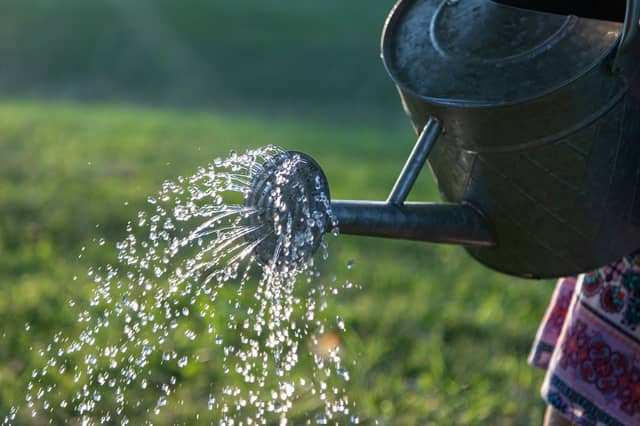
Watering cans can still be used, meaning gardeners should concentrate on the plants that need water most rather than trying to keep every inch of the garden green.
James Lewis, an expert gardener from tradespeople platform MyBuilder.com, said lawns should be left longer during dry conditions.
“One of the main issues of drought or hosepipe bans is keeping your lawn healthy,” he said. “Grass is at risk in drier weather due to higher exposure to sunlight and resistance to water if the soil gets too hard.”
Mower blades should be raised so grass remains around two inches long. This provides shade for the soil and helps it retain moisture.
Gardeners should also avoid nitrogen-rich lawn fertilisers, which encourage rapid growth and increase the amount of water the grass requires.
Brown grass may look alarming, but established lawns can usually recover when rain returns. Keeping flowers, vegetables and younger plants alive should take priority over maintaining a perfectly green lawn.
Adding mulch around plants can slow evaporation, keep roots cooler and suppress weeds, which compete for moisture. Drought-resistant plants such as lavender and rosemary should cope particularly well.
Water collected in a water butt can still be used, while suitable leftover household water, including water used to rinse vegetables, can be poured around plants once cool.
The best time to water is early morning or evening, when less moisture will be lost through evaporation. A thorough drink directed at the roots is better than frequently sprinkling leaves.
Lawns can recover, lavender will barely notice and nobody expects Exeter’s gardens to resemble Wimbledon’s Centre Court.