
Former Exeter student’s murder mystery inspired by Britain’s wartime secrets


A former Exeter student’s second historical mystery is set in 1958 and inspired by the controversial history of the London Cage.
A former University of Exeter student who drew on his memories of the city for his first crime novel has published a second mystery inspired by the history of a controversial wartime interrogation centre.
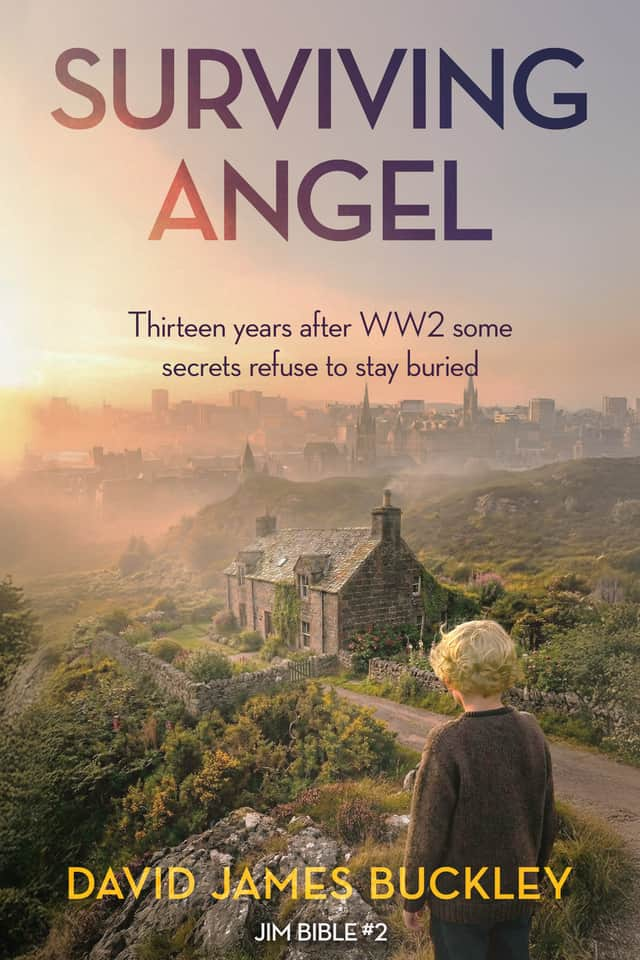
David James Buckley’s Surviving Angel is set in 1958 and draws on the history of the London Cage, a British military intelligence centre that operated in Kensington Palace Gardens during and after the Second World War. The centre has attracted controversy because of allegations about the treatment of prisoners questioned there.
The novel follows Acting Chief Inspector Jim Bible, who is called to investigate the murder of a husband and wife found dead in their cottage, their 11-year-old son initially missing. Working with Detective Sergeant Bill Ward, he begins to uncover links between apparently unrelated events, and the inquiry grows into a nationwide mystery involving wartime secrets and official secrecy.
Mr Buckley became interested in how the consequences of wartime decisions might continue to affect people’s lives years later.
The London Cage is not the book’s only historical influence. Mr Buckley has also drawn on the disappearance of the Polish Catholic priest Father Henry Borynski in Bradford in 1953, the wartime use of Doncaster Racecourse as a prisoner-of-war camp and the unsolved murder of the farmworker Charles Walton near Lower Quinton in Warwickshire in 1945.
He has used these separate events as the foundation for an entirely fictional investigation about secrecy, responsibility and the lasting effects of war.
The book also explores the changing mood of late-1950s Britain, including the emergence of the Campaign for Nuclear Disarmament, the continuing requirement for young men to do National Service and tensions between generations. These themes play out in Bible’s family life, where his wife, Shirley, and teenage son, Ricky, increasingly challenge his traditional understanding of duty.
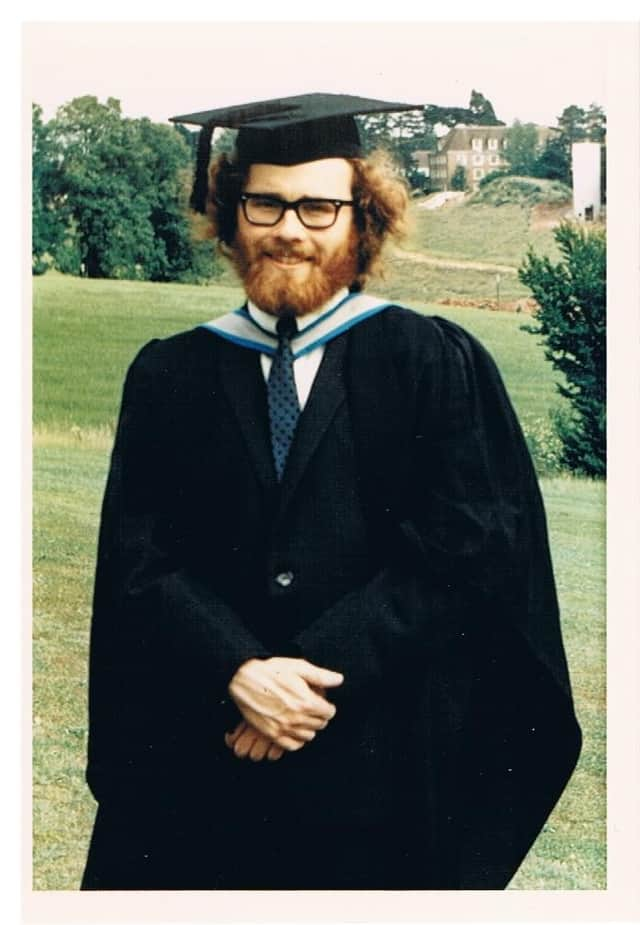
Mr Buckley spent four years at Exeter between 1968 and 1972, studying English before completing a postgraduate teaching qualification. He went on to build a career teaching English in schools and colleges.
The city also left its mark on his writing. His first novel, Stone and Water, set in 1956, introduced Bible and drew on Exeter places and memories, including The Clocktower Café, Fore Street and the quayside.
“My years at Exeter were an important part of my life,” he said. “I didn’t imagine then that I would eventually be publishing historical crime novels of my own, but the interest in literature that took me to university has never really left me.”
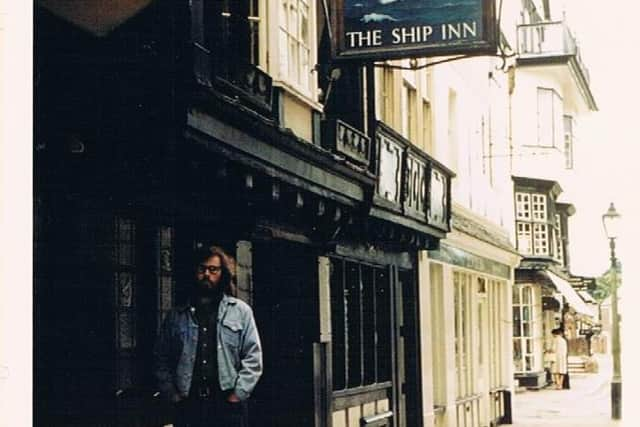
Mr Buckley had written for national newspapers and for BBC radio before turning to crime fiction, but he did not publish his first novel until later in life. In 2009, aged 60, he enrolled on an MA in Writing at Sheffield Hallam University, graduating with distinction in 2014, and developed the work that became Stone and Water.
“Publishing a second novel is particularly satisfying because writing fiction was something I had wanted to do for a very long time,” he said. “It took me until later in life to give it the sustained attention it deserved, and I hope the book will appeal both to readers who enjoyed Stone and Water and to those discovering Jim Bible for the first time.”
Surviving Angel is available now in paperback and on Kindle. More information is at davidjamesbuckley.com.