
Exeter named one of the best places in the UK to see the stars
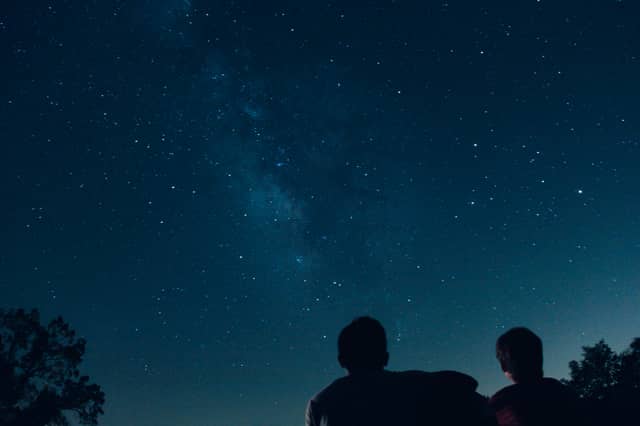

A new study of 94 UK locations puts Exeter in third place for stargazing, with Dartmoor's dark skies and the city's clear July forecasts giving residents a rare shot at the Milky Way.
Exeter has been ranked the third-best place in the UK for stargazing, according to a new study of 94 locations across the country.
The research, carried out by travel firm Big House Experience, scored each location out of 100 using 2026 Bortle scale readings (a measure of night sky darkness), average July cloud cover, and the volume of night-sky photos shared on Instagram. Exeter came out with a score of 65.2, putting it just behind Bath in second place and the Welsh city of St David's, which topped the table.
Exeter's result was built on a Bortle score of 5.5, the same reading as Bath, alongside an average cloud cover of 43 per cent for July and 111 Instagram posts tagged with the city's night sky. The city's proximity to Dartmoor National Park was highlighted as a particular draw, with Dartmoor being one of the few places in the UK where wild camping is legal, giving stargazers the option to head deep into open moorland away from light pollution. Closer to the city centre, Exeter Quay and the Roman Gate ruins were named as spots where residents can still get a decent view of the night sky.
The timing is notable: the UK's next new moon falls on 14 July 2026, when the absence of moonlight typically gives the clearest view of stars and the Milky Way. Astronomy interest more broadly appears to be climbing; the study cites a 300 per cent rise in Google searches for "best date for stargazing" over the past six months, alongside a 95 per cent jump in searches for stargazing apps, and more than 1.8 million Instagram posts now carry the #Stargazing tag.
Exeter's third-place finish continues a pattern in the wider rankings, with the top 20 dominated by locations in southern England and Wales, including Bournemouth (4th), Brighton (8th) and Gloucester (7th), while St Asaph in North Wales was the most northerly city to make the list.
For anyone hoping to make the most of the new moon, the advice from the study is straightforward: get away from streetlights, allow the eyes 20–30 minutes to adjust to the dark, and check the forecast, cloud cover, not light pollution, is often the deciding factor on any given night.