
Exeter High Street to close for centuries-old Lammas Fair tradition
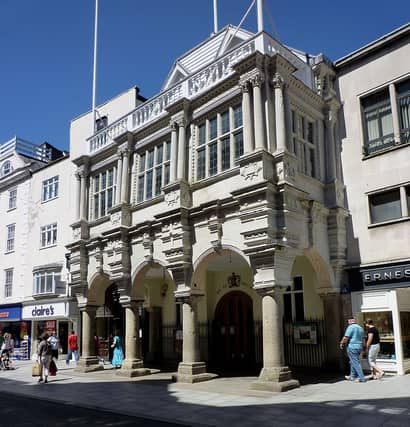

Exeter High Street will close on Thursday morning for the Lammas Fair, a 900-year-old civic tradition involving a giant white glove, Morris dancers and a Lord Mayor's procession through the city centre.
Exeter High Street will close to traffic on Thursday morning as the city marks the historic Lammas Fair, a tradition dating back more than 900 years to before the Norman Conquest.
The road closure will run from 10.50am until 12 noon on 9 July, though it may reopen a little earlier. Stagecoach will place notices on affected buses to advise passengers of alternative stops.
The event gets underway at 11am with the Lord Mayor's procession of the Lammas Glove departing from the Civic Centre, made up of civic dignitaries and Morris dancers. The procession travels down the High Street to the Guildhall, where a proclamation is read, and the famous white glove is hoisted above the balcony, where it will remain on display for three days.
This year marks the 75th anniversary of Exeter Morris, the oldest Morris troupe in Devon, which will be presented with City Lapel Badges by the Lord Mayor of Exeter, Cllr Gemma Rolstone, to mark the milestone. They will be joined in the procession by Glory of the West, a women's Cotswold Morris side celebrating its 50th anniversary, and Great Western Morris Men, founded in Exeter around 1969.
After the proclamation, the Lord Mayor will head to Cathedral Green to officially open this year's Exeter Craft Festival, which runs from Thursday 9 to Saturday 11 July.
The Lammas Fair proclamation itself dates back to the reign of Edward III in 1330 and is still read out today, in modern language, by the sitting Lord Mayor. The word "Lammas" comes from the Anglo-Saxon for "loaf mass," marking the tradition of offering the first loaf of the harvest to the church. The white glove, mounted on a pole and decorated with ribbons and flowers, was historically a sign of royal protection of the peace during the fair.
While the last market stalls disappeared from the fair in the 1860s, Exeter has continued to proclaim the fair and hoist the glove every year since, upholding a custom now nine centuries old.