
Devon cidermaker on a mission to save forgotten apple varieties
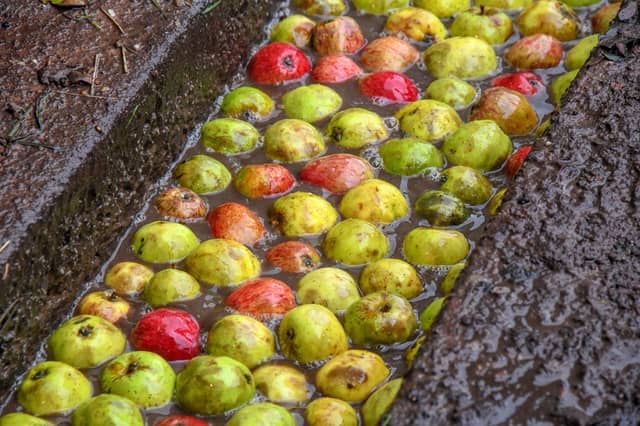

From a 1,000-year-old mill in Crediton, Sandford Orchards is working with Bristol University to uncover lost apple varieties that could future-proof Devon cider.
Sandford Orchards, which operates from Britain's oldest working cider mill in Crediton, has embarked on an ambitious project to DNA-map thousands of ancient apple trees across Mid Devon to identify varieties lost to history.
The company has partnered with the University of Bristol to analyse trees across its orchards, many of them planted hundreds of years ago, spread across mixed farming businesses throughout the region.
“It's not by chance that Sandford Orchards is based in this part of Devon,” the company said. “Crediton has long been known as one of the most fertile parishes in all of Britain, sitting in the lee of the moors, it has the perfect microclimate to grow cider apples.”
They added that the “Devon red soil” is nutrient rich and free draining, creating the perfect environment for trees: “Cider has been made in these valleys for over 1,000 years and the legacy of this rich cider heritage is some of the finest orchards in the world.”
Led by Professor Keith Edwards, a crop genetics specialist at Bristol University, the research team collects leaf samples from individual trees using a hole punch, geotagging each one with the What3Words positioning system before running DNA analysis at the lab.
The early results were unexpected.
Sandford's orchards contained a far greater variety of apple trees than anyone had realised, including several that were genetically unique.
The company subsequently secured DEFRA funding to expand the project to thousands more trees across Mid Devon, work that is currently under way.
Sandford is candid about what makes the project so important. Unlike mass-produced ciders, it presses only locally sourced bittersweet apples with no concentrated juice or synthetic additives, and says the process is closer to winemaking than industrial production.
“We believe it's the quality of the apples that makes Sandford Orchards' ciders so special,” a spokesperson for the cidermaker explained.
“The best cider can only be made from the best apples, so we only press the finest, locally sourced, bittersweet apples and encourage a long, slow, natural fermentation.”
That dependence on the fruit makes the company acutely aware of the weather.
Sandford describes the climate as one of its biggest challenges, insufficient cold in winter means trees do not properly rest; late spring frosts damage blossom; sunshine levels affect sugar content and rainfall the size of the fruit.
Identifying older varieties that have already withstood centuries of Devon weather is therefore seen as vital to the long-term future of the craft.
Because a single apple tree can be used to propagate an entirely new orchard, even one rediscovered specimen could have lasting significance.
Sandford also points to the broader environmental value of its ancient orchards, their undisturbed soils act as carbon sinks and the trees provide important habitats for wildlife.
Crediton's cider-making history stretches back more than a millennium; a tradition Sandford describes as inseparable from the county's identity.
“Cider is our drink and has a long history here,” the company said.
Cider Week, celebrated across the UK this week (24 April – 4 May), provides a timely opportunity to recognise producers working to preserve that tradition. Britain remains the world's largest producer and consumer of cider, with annual spending now exceeding £3.17bn.