
Works completed to reduce sewage spills at major North Devon tourist beach
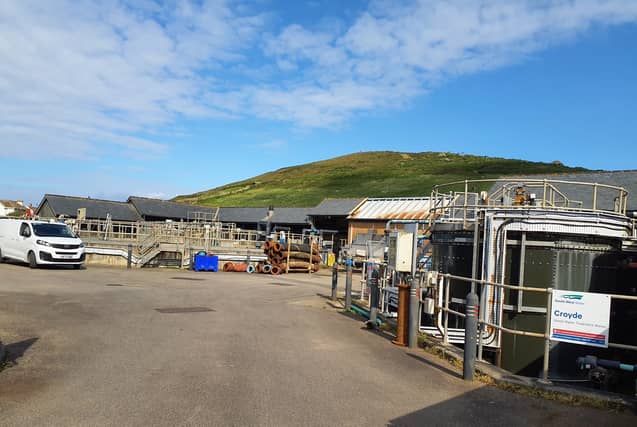

South West Water has carried out works to fix leaks in the sewage pipe network at Croyde Bay to help prevent storm overflows after heavy rain
Work has been completed by South West Water at Croyde to reduce the amount of sewage spills into the sea after various leaks were found in the pipe network.
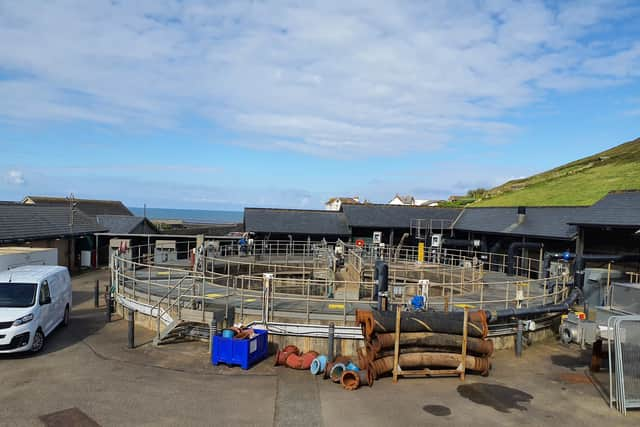
Croyde Sewage Treatment Works is one of South West Water’s (SWW) higher spilling sites and the company said it had carried out various investigations and improvements at the treatment works and across the area to help reduce storm overflow activity after heavy rain.
Data from Surfers Against Sewage shows Croyde Bay has had 53 spill events so far in 2026 and while most were a few minutes, there were two events lasting more than an hour in February plus a major event listed as running for 272 hours.
The treatment works itself saw two spills in February for a combined total of more than eight hours, according to SAS data.
SWW said its investigation showed that groundwater was entering the sewer network through joints in pipes and manholes.
Above: South West Water says it has lined 1.6km of sewage pipes at Croyde to prevent rainwater from leaking into the system. Credit: SWW
To fix it, engineers carried out CCTV surveys to identify the sections of pipe affected and then cleaned the affected areas thoroughly before installing a 1.6 kilometre protective lining and carrying out repairs across the network, including sealing 55 manholes.
The lining was then cured inside the sewer to create a watertight seal so no groundwater or surface water can enter the network.
Follow-up CCTV inspections were made to confirm the lining had set correctly and that no more water was coming in.
The works in Croyde, completed in October 2024, formed part of the company’s £16million Infiltration Reduction Programme, aimed at 175 high-risk sites across the region.
Hazel Tranchant, head of asset management at SWW, said: “Croyde is an area where we see the impact of heavy rainfall on the wastewater network.
“This project focused on reducing the amount of groundwater entering the system, which can put additional pressure on the network during wet weather. We have also been making improvements to fix controls that have caused short duration spills to Baggy Point.
“The work we’ve completed is an important step in strengthening the local infrastructure, and we continue to invest in further improvements to help reduce storm overflow activity in the future.”
SWW said a further £4m has been assigned to two new projects, currently in the design process, aimed at reducing pressure on the network and helping to reduce the use of storm overflows in the future.
These improvements will be delivered in phases over the coming years, with completion currently scheduled for 2030.