
Exeter Central Station could be listed after civic groups back heritage campaign
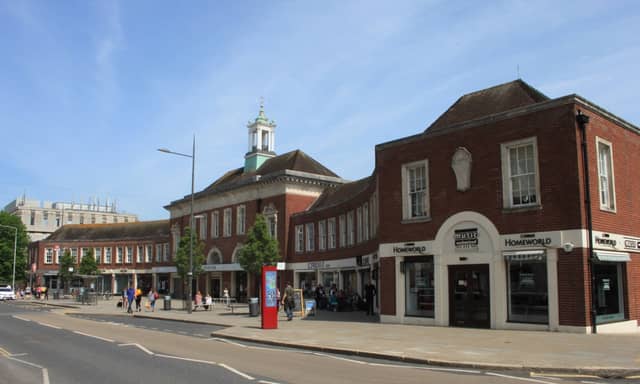

Historic England is considering an application to list Exeter Central Station, built in 1933, after Exeter Civic Society and Devon Buildings Group argued the neo-classical building, with its Art Deco touches , is unique, well-preserved and deserving of national protection.
Historic England is weighing whether to recommend Exeter Central Station for listed status, following a formal application by Devon Buildings Group and strong backing from Exeter Civic Society.
The station on Queen Street, which opened on 1 July 1933, was built in a grand neo-classical style combined with elements of the Art Deco, or 'moderne', movement, replacing an earlier timber-framed building known as Queen Street Station that burnt down in 1927.
In a letter to Historic England dated 14 May 2026, Exeter Civic Society chairman Keith Lewis described the station as "a unique building, of good quality, and well worth preserving".
"It is one of a relatively small number of railway stations built during the 1930s, given that the railway network was no longer expanding at the time."
The society's letter highlighted that the station's distinctiveness had been recognised in Stephen Parissien's The English Railway Station, published by English Heritage, which singled out Exeter Central as unique in design among broadly similar contemporary stations such as Ramsgate.
Cupola restored
One of the features cited in support of the application is the recent restoration of the station's rooftop cupola.
The Devon Buildings Group (DBG) originally applied for the listing after becoming concerned over the removal of the building's historic cupola in 2018. While Network Rail has since installed an identical replacement replica in 2026, the group noted that anyone can apply for a listing by submitting photos and architectural details, rather than it being an organised, large-scale campaign.
The application gained significant momentum following a well-attended study day on Exeter’s buildings organised by local historian Dr Todd Gray. Attendees who supported the listing were encouraged to contact Jerome Tait at Historic England during the formal consultation period.
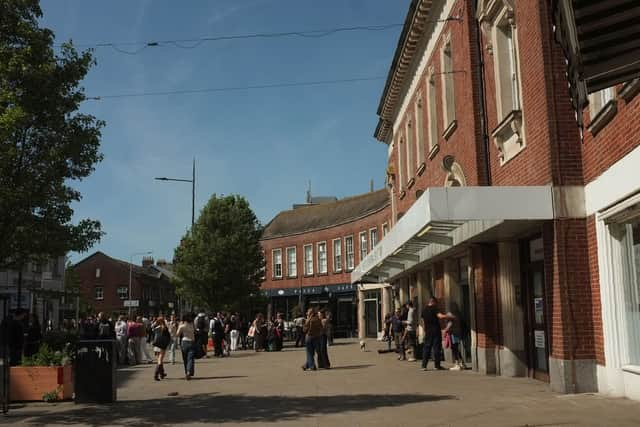
The letter also noted that recent work inside the building has allowed passengers to appreciate the height and spaciousness of the booking hall, and that the pedestrianisation of the station's frontage has created what it describes as a "pleasing ensemble of station and piazza" that shows the curved façade to its best advantage, without compromising the original design.
Fewer 1930s buildings remaining
Exeter Civic Society argued that the case for protection is strengthened by the scarcity of surviving 1930s public buildings in the city centre. Alongside the station, only the former central library, telephone exchange, and two cinemas, one of which is now a bingo hall, remain from that era.
The society also noted that the size and layout of the station reflect its earlier importance as a hub on the Exeter-Waterloo line, when separate platforms were needed for express and local services, and the station also handled parcels.
"We feel that it is important to retain, protect and celebrate those exemplary ones which we still have."
Historic England response
"The request reflects the value that many local people place on the rich and varied heritage in the city, and in particular an appreciation for this landmark building that many pass through every day."
A Historic England spokesperson confirmed the application is under consideration. The body said it had recently completed an assessment in consultation with Network Rail and other interested parties, to determine whether the station meets the criteria for inclusion on the National Heritage List for England.
A recommendation will be made in due course to the Secretary of State for Culture, Media and Sport.
While local civic groups remain hopeful, the DBG notes that the criteria for national listing are strictly enforced, pointing to a recent unsuccessful application to list Exeter's Larkbeare House. The final decision and the timeline for the process now rest entirely with Historic England and the DCMS.
The application reference number is Case Number 1495013.