
Exeter Airport retains top accessibility rating
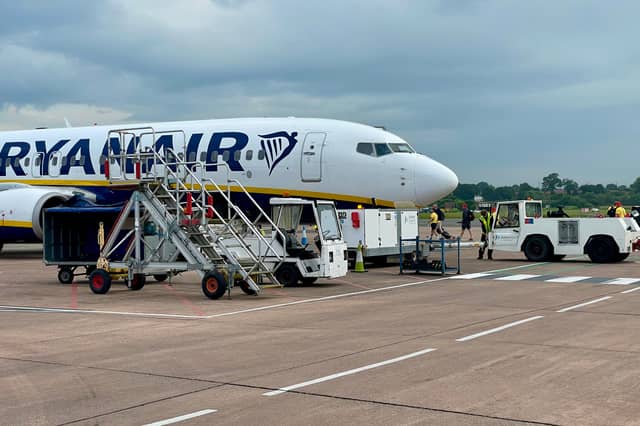

Record numbers of passengers are seeking help as the aviation regulator reports continued improvements
Exeter Airport has again been rated ‘Very Good’ for the assistance it provides to disabled passengers and people with reduced mobility.
The airport retained the highest available rating in the Civil Aviation Authority’s annual accessibility report, published as demand for assistance across the UK reached record levels.
Exeter was among 19 airports to receive a ‘Very Good’ rating for the period between April 2025 and March 2026. It achieved the same result in the previous year’s assessment.
The Civil Aviation Authority examined the accessibility services provided by 28 UK airports handling more than 150,000 passengers during 2025.
Airports were judged on waiting times for arriving and departing passengers, satisfaction among people using assistance services and consultation with disabled people and organisations.
Exeter was joined in the top category by Bristol and Cornwall Airport Newquay, both of which improved from ‘Good’ ratings last year.
The remaining nine airports assessed were rated ‘Good’, meaning none received a ‘Needs Improvement’ or ‘Poor’ rating.
The result comes as the number of passengers requesting help at airports continues to rise significantly. A record 5.9 million people used airport assistance services and facilities during 2025.
Requests have increased by almost 116 per cent since 2015, compared with overall passenger growth of around 24 per cent during the same period.
However, the regulator said disabled passengers continued to encounter difficulties when travelling.
Its latest Aviation Consumer Survey found overall satisfaction with air travel had reached a record 88 per cent, but the figure fell to 82 per cent among passengers with accessibility or disability needs.
Around 58 per cent of disabled consumers reported difficulties accessing or using airports and flying. Problems involving walking, standing and carrying luggage were among the most commonly reported.
Anna Bowles, the Civil Aviation Authority’s head of consumer protection, welcomed the improvement in standards but said airports could not afford to become complacent.
She said: “Some disabled passengers still face difficulties when travelling, and with demand for assistance services continuing to rise, airports must continue to invest in assistance services.”
The regulator plans to consult on a revised version of its accessibility framework later this year. Proposed legislation currently before Parliament could also give it stronger powers to hold airports to account for protecting passengers’ legal rights.