
Could Exeter’s new council boundaries change house prices?
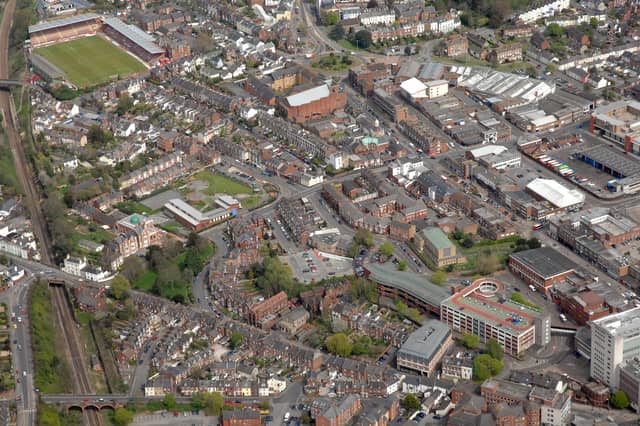

The planned expansion of Exeter could affect council tax, planning policy and school admissions in surrounding communities
Homes in Exmouth, Cranbrook, Crediton, Dawlish and Exminster are among those due to come under a new Exeter unitary authority from April 2028.
The Government-backed reorganisation will combine the existing city with 49 parishes from East Devon, Mid Devon and Teignbridge, creating an authority serving around 260,000 people.
But will becoming part of Exeter make homes more valuable?
There will be no automatic “Exeter premium”. Property prices are primarily determined by demand, transport links, schools, amenities, employment and housing supply rather than council boundaries.
Nor will the change automatically give communities Exeter postcodes or postal addresses. Royal Mail’s postal geography is separate from local government boundaries.
However, some places could benefit from being marketed as part of the wider Exeter area. Estate agents already emphasise proximity to the city when promoting homes in locations such as Cranbrook, Exminster and Broadclyst.
Council tax could also become a factor. Residents currently pay different amounts depending on their district and parish. The new authority will eventually have to introduce a uniform basic council tax rate, although differences can be phased out over several years.
Town and parish councils can continue to add their own precepts, so households across the enlarged area may still receive different total bills. Homes will not be moved into different council tax bands simply because the boundary changes.
Planning policy could have a much greater effect on property and land values. Existing local plans will initially continue, but the enlarged authority is expected eventually to produce a single strategy covering Exeter and its new communities.
Land identified for housing or employment could rise in value, while nearby homeowners could be affected by increased development. New roads, schools and public transport could make some areas more desirable, although greater housing supply might help moderate prices.
School catchments will not automatically change in 2028 either. Existing admissions policies should remain unless the council or individual schools formally consult on new arrangements.
Over time, the authority could review catchments and school provision, particularly in rapidly growing areas such as Cranbrook and Exeter’s eastern outskirts. Access to a popular school can have a significant influence on local house prices.
The boundary change itself is therefore unlikely to transform property values. What matters will be the decisions that follow — particularly those involving council tax, development, infrastructure and education.