
South West Water among main offenders in sewage pollution league table
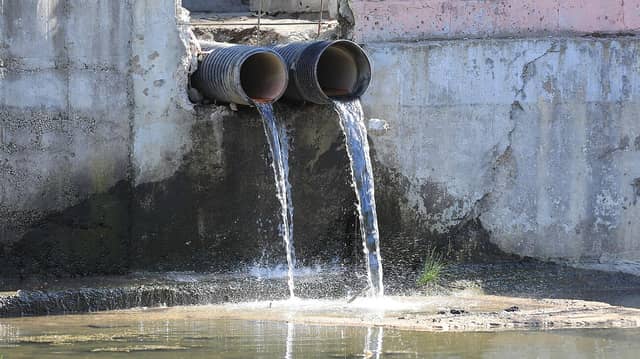

South West Water highlighted as one of the biggest contributors to sewage pollution in new analysis from The Rivers Trust, which warns that high numbers of combined sewer overflows (CSOs) in the South West and across England and Wales are driven by heavy rainfall, underinvestment, and climate change, while urging citizen scientists to monitor river health and support green infrastructure solutions
South West Water has been highlighted as one of the main contributors to sewage pollution in new analysis from The Rivers Trust, which campaigns to protect rivers across England and Wales.
The organisation told the North Devon Gazette that while South West Water currently has the highest number of combined sewer overflows (CSOs) discharging, the percentage of overflows in the Thames Water network is higher.
“It is not easy to compare the performance of one water company with another at any given time because much of the variation will be driven by weather patterns across the country, as well as the wetness of the catchments in their area,” The Rivers Trust said.
CSO discharges are designed to operate during extreme weather events to prevent sewage from backing up into homes.
The south west has seen heavy rainfall this week, contributing to the high number of spills.
“What we can say with confidence is that the number of CSO spills at the moment is too high and is indicative of a changing climate and a sewerage system that is not able to cope with the ‘new normal’,” the trust said.
They added that during drier periods, such spills can indicate underinvestment and poor maintenance in the water system.
The environmental impact of spills varies depending on both the level of pollution and the volume of water discharged, information that water companies do not always provide.
The Rivers Trust encourages citizen scientists to monitor river health to identify the areas most affected.
This data can then guide investment in green infrastructure, such as nature-based solutions that help rivers and sewerage systems better cope with heavy rainfall.
South West Water said it is responding to the issue.
A spokesperson said: “We are experiencing heavy rainfall across the South West, with a Met Office weather warning currently in place. This has caused some storm overflows to activate as they are designed to do, to help prevent flooding to homes and businesses.
“We are serious about tackling storm overflows and change of this scale takes time, ambition and increased investment. We are working hard to actively reduce our use of storm overflows across the region as part of our £2.5 billion investment programme and are already seeing results with spills reducing significantly in 2025.
“There is more to do, and we are moving in the right direction driven by our determination to deliver on our customers’ priorities.”
Background figures show that the South West received 159 per cent of its long-term average rainfall in January, the highest in the country.
South West Water has invested in reducing spills at sites including Honiton, where relining 525 metres of sewer and sealing 23 manholes cut spills by 65 per cent, and St Cleer, where a new storm tank reduced spills by 46 per cent.
The company has said it has installed full monitoring across all storm overflows and aims to be the first water company to meet the government target of fewer than 10 spills per overflow each year, a decade ahead of schedule.