
RNLI issues festive safety warning as cold water dips grow in popularity
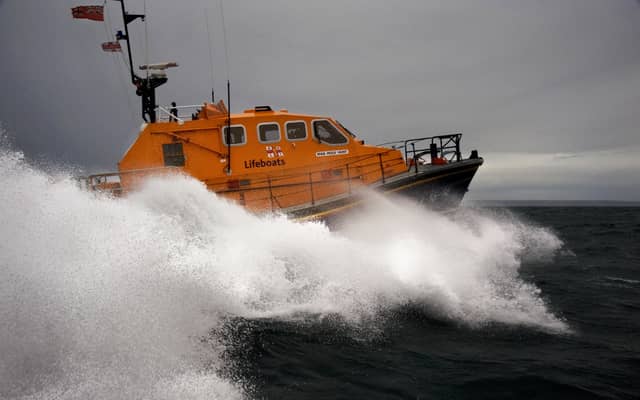

RNLI issues cold water swimming advice ahead of Christmas and New Year dips
The RNLI is urging people planning a festive cold-water dip to take extra care, as sea temperatures around the UK fall to between 6C and 10C during the winter months.
With New Year swims becoming an increasingly popular tradition, the charity has released safety advice to help ensure people enjoy the experience without putting themselves at risk.
Emmie Seward-Adams, RNLI water safety delivery manager, said cold water shock remains a significant concern, particularly for those who are not acclimatised to swimming in winter conditions.
She said: “Cold water dips have grown in popularity and for some have become a part of the annual tradition of Christmas and New Year celebrations, but with water temperatures in the UK around 6 to 10 degrees at this time of year, the risk of cold water shock is a concern.”
Ms Seward-Adams encouraged anyone entering the sea to avoid swimming alone and to consider joining an organised group, adding that swimmers should stay within their depth and be aware of their limits.
She said water temperatures below 15C are classed as cold and warned that the effects of cold water, combined with weather conditions and underlying health issues, should be taken seriously.
Those new to open water swimming, particularly people with cardiac or other health conditions, are advised to speak to their GP beforehand.
The RNLI also stressed the importance of wearing appropriate equipment, including a brightly coloured swim cap to remain visible, and using a tow float in case of emergency. Wetsuits are recommended to help retain warmth and improve buoyancy.
Ms Seward-Adams added that swimmers should take time to acclimatise before entering the water and not attempt to swim straight away, as the initial effects of cold water usually pass within a minute.
“The most important thing to remember is if you are in any doubt, stay out of the water,” she said.
“If you or anyone else does get into trouble in or on the water, call 999 or 112 and ask for the Coastguard.”
RNLI volunteers will remain on call 24 hours a day throughout the festive period to respond to emergencies.
The charity is also reminding swimmers to check weather and tide conditions before heading out, take warm clothing and hot drinks afterwards, and carry a mobile phone in a waterproof pouch.
Anyone in difficulty is urged to use the ‘Float to Live’ technique and call for help immediately.