
Ian Roome : The Barnstaple emergency briefing that proves why we must act
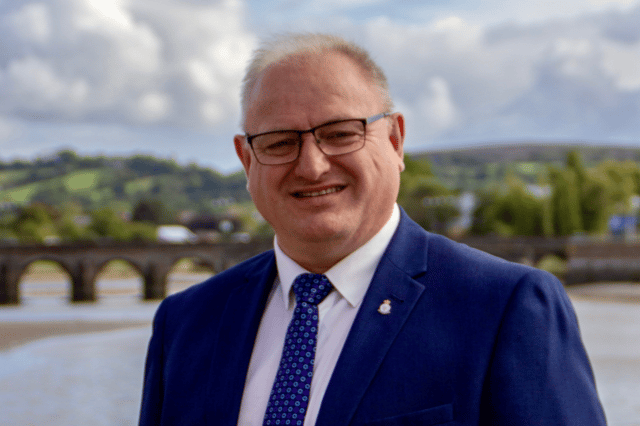

North Devon MP Ian Roome reflects on the Barnstaple screening of the People’s Emergency Briefing and explains why urgent action on climate change is needed to protect local communities.
Right across the country, people have been gathering in village halls, libraries, and other community spaces for screenings of a special environmental film: the People’s Emergency Briefing.
I recently attended the Barnstaple screening, one of several across Northern Devon, which was yet another stark reminder of how urgent the climate crisis is, and especially timely amidst a surge of climate denialism.
The film brought together leading UK scientists and environmental experts to explain the climate and nature crisis as a national emergency, and something that is already shaping the things people worry about every day: food prices, public health, flooding, extreme weather, energy bills, and national security.
The UK now ranks among the lowest globally for biodiversity, with one in six species threatened with extinction from Britain, and with just 14 per cent of England’s rivers and lakes in good ecological health.
Here in North Devon, we are lucky to live in one of the most beautiful parts of the country, but we are also a coastal and rural community, and we are no more sheltered from the effects of climate breakdown or habitat loss.
Our rivers, beaches, and wildlife react to human activity, both good and bad.
Farmers are facing more unpredictable weather, and many households have felt the pain of volatile oil and gas prices.
We can already see the ways that foreign conflicts and environmental destruction wash up on our shoreline, whether we like it or not.
In the film, Lieutenant General Richard Nugee put it well: “In the military, you learn a clear principle: face the threat that is in front of you, not the threat as you would wish it to be.”
That rang true from my own time in the forces.
Britain has faced serious challenges before, but we have only prevailed when we have been honest about the threat and prepared to act.
We must keep pollution out of our air, water, and soil, and make our way of life more sustainable.
Tackling climate change will make this country not only safer and more resilient, but also a nicer place to live.
Investing in homegrown renewable energy, electrification, storage, and a more decentralised grid would reduce our dependence on foreign oil and gas, and would protect households from the kind of price shocks we saw after Russia’s invasion of Ukraine, when fossil fuel companies made huge profits, while countless families struggled with their bills.
The Liberal Democrats have called for a proper windfall tax on the excess profits of oil and gas giants, and I was pleased to see some positive steps in the recent King’s Speech, including moves to break the link between gas and electricity prices, invest in homegrown renewable power, and take further action on sewage and water companies.
However, successive governments have fallen short of tackling the climate crisis – too often choosing the easy decision over the brave one.
My Liberal Democrat colleagues are pushing for bolder action: backing clean, cheap renewable energy, leading calls to tackle the sewage scandal, and demanding stronger support for farmers to protect local food systems and build resilience.
I have also joined calls in Parliament for the major TV channels to show the film in their national schedules, accompanied by legislation that matches the scale of the crisis.
The decisions we make now will shape the future for our next generations.
As the film made clear: the cost of inaction massively outweighs the cost of action.