
Historian Kate Williams brings royal secrets and scandals to Exeter
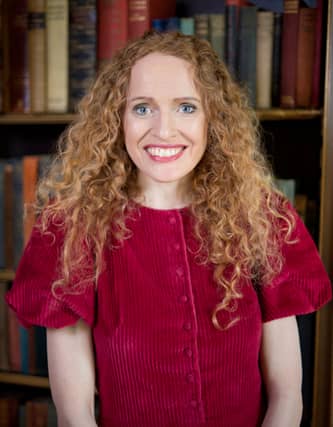

Ahead of her highly anticipated show at Exeter’s Northcott Theatre on Sunday 7 June, historian Professor Kate Williams sits down with us to debunk the myths surrounding historical queens, princesses, and empresses.
Historian, broadcaster and bestselling author Professor Kate Williams is coming to The Northcott Theatre, Exeter on Sunday 7 June to lead us into the world of queens, empresses, princesses and ladies in waiting.
Kate will unravel the story of women and power via a dramatic and beautifully illustrated show taking you to archaeological sites, palaces and wonders of the world – stories of intrigue, plots, love and power, and the secrets of women’s lives.
Kate spoke to us just before she set out on her national tour.
"We’re going from the very earliest times of women in power to the current day, it’s an incredible story touching on the earliest Egyptian Queens like Cleopatra to the modern day, not too heavy… the show has a light-hearted touch. I do have favourites such as the Queen of the Maldives who had two husbands and both tried to usurp her, both died by assassination and despite being deposed twice, she ruled the country for nearly 30 years. Sadly, I can’t justify a trip to the Maldives as little remains of her palace."
Look her up, Al-Sultana Khadeejah Sri Raadha Abaarana Mahaa Rehendhi ruled in the middle 1300s.
"Closer to home we will touch on Mary I and Elizabeth I, oddly Elizabeth refused twenty-six marriage proposals maybe because she realised that a husband could dilute her overall power. We will never know the full truth but the downside with that is that you lose having an heir."
Does Exeter have a link to this web of intrigue?
"Yes, Henrietta of England or Henrietta Anne Stuart was the youngest child of King Charles I and later became Duchess of Orléans through her marriage to Philippe I, Duke of Orléans. She was born at Bedford House in Exeter due to her mother fleeing Oxford and the Parliamentarians. She was not expected to live as she was a sickly child and indeed died very early at the age of twenty-six. However, she went to live in the French court and had to rely on their charity especially when her father was executed. Her daughters became Queens and powerful members of European monarchy… one the Queen of Spain and the other the Queen of Sardinia. There was an argument that the line of succession should have passed down through her after the death of Queen Anne, again without having heirs… which would mean we would not have had the Hanoverian line… so Exeter was very much at the heart of the story. It also plays a huge role in the arrival of William of Orange."
The truth about Royal Women: Secrets and scandals, politics and power is at The Northcott Theatre, Sunday 7 June.